5 Ways You Can Prevent Sun-Damaged Skin
In this article:
If you’ve started noticing wrinkles, dark spots, rough patches or other skin changes after spending time outdoors, sun damage could be the reason. Sun-damaged skin occurs when ultraviolet (UV) radiation from exposure from the sun or tanning beds penetrates the layers of your skin, gradually causing changes in your skin’s appearance. While not all sun damage is reversible, there are effective ways to protect your skin and help prevent further harm.
In this article, we’ll explore common signs of sun damage, consider treatment options that can improve the appearance of your skin and share five ways to keep your skin healthy and protected.
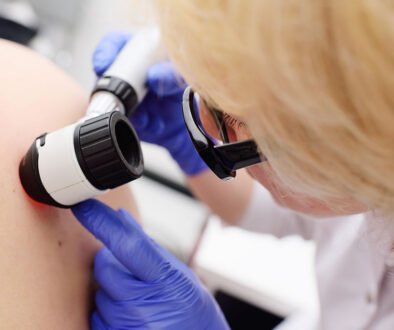
Exposure to the sun’s ultraviolet rays not only affects the way your skin looks, it can also increase your risk of developing skin cancer. At Raleigh Medical Group, we offer skin cancer screenings, which we recommend as part of your annual preventive care routine. We invite you to contact us for an appointment today.
What Are Common Signs of Sun-Damaged Skin?
Sun damage develops gradually over time after repeated exposure to UV rays, with early signs that may not always be obvious.
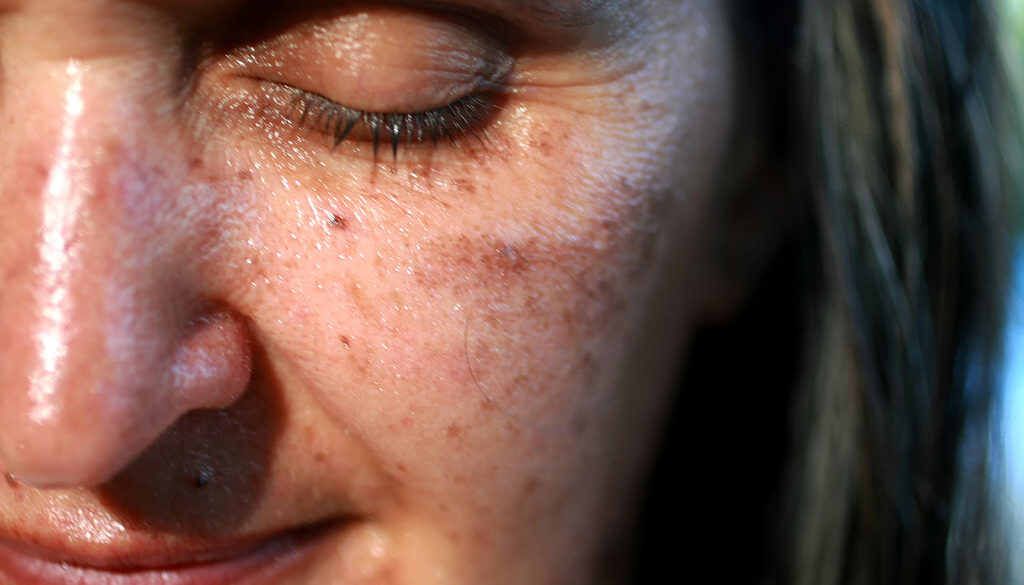
Common signs of sun-damaged skin may include:
- Fine lines and wrinkles, caused by damage to collagen and elastin
- Dark spots, also called age spots or sunspots
- Uneven skin tone or pigmentation
- Visible blood vessels or spider veins
- Skin texture that is rough, dry or leathery
- Loose or sagging skin
- Scaly patches known as actinic keratoses, which are considered precancerous
Skin damage is often most noticeable in areas that receive the most sun exposure, including the face, neck, chest, hands and arms.
What is the Long-Term Impact of Sun-Damaged Skin?
The most serious long-term impact of sun-damaged skin is increased risk of skin cancer from exposure to UV radiation, which causes cellular DNA damage.
Long-term, cumulative sun exposure is linked to basal cell and squamous cell carcinomas, while severe, blistering sunburns, especially during childhood or adolescence, are associated with a significantly higher risk of developing melanoma.
Other long-term effects of sun damage may include:
- Accelerated skin aging caused by the breakdown of collagen and elastin, proteins that help keep skin firm and smooth
- Elevated risk of precancerous changes like actinic keratoses, which may develop into skin cancer if left untreated
Sun damage accumulates throughout your life, so early prevention is essential for preserving healthy skin over the long term.
Is It Possible to Treat Sun-Damaged Skin?
While some damage from UV exposure is irreversible, there are several treatments that can help improve the appearance of sun-damaged skin.
Depending on your situation, these treatment options might include:
- Prescription retinoids to help reduce fine lines and wrinkles, even skin tone and improve skin texture
- Antioxidant products containing vitamin C to help protect your skin from ongoing damage
- Chemical peels to remove damaged outer layers of skin
- Laser resurfacing treatments to help improve the appearance of wrinkles and pigmentation
- Microdermabrasion or dermabrasion to smooth skin
- Intense pulsed light (IPL) treatments for sunspots and other discoloration
- Cosmetic treatments like fillers and Botox® for wrinkles and volume loss
Though these treatments can be effective for improving the appearance of your skin, long-term, daily sun protection is still essential so that new damage doesn’t develop.
How Can You Prevent Sun-Damaged Skin?
The best approach for preventing sun damage is to protect your skin from additional UV exposure before damage occurs.
Here are 5 ways to help safeguard your skin and keep it healthy:
- Wear broad-spectrum sunscreen every day.
- Use SPF 30 or higher sunscreen daily, even on cloudy days. Apply to all exposed areas and reapply every two hours when outside and after swimming or sweating.
- Avoid peak sun hours when possible.
- UV rays are at their most powerful between 10:00 am and 4:00 pm, so it’s best to plan your outdoor activities outside those hours when you can.
- Wear protective clothing.
- Lightweight, long-sleeved clothing made from tightly woven, synthetic fabrics, UV-blocking sunglasses and wide-brimmed hats can help protect against UV exposure.
- Avoid tanning beds and intentional tanning.
- Tanning beds expose your skin to harmful UV radiation, which can accelerate signs of aging and increase skin cancer risk. There is no such thing as a safe, healthy tan, whether from a tanning bed or natural sunlight.
- Practice daily skin-healthy habits.
- Moisturize regularly, stay hydrated, avoid smoking and eat a healthy diet with lots of fruits and vegetables to support your skin’s health.
- Perform self-skin checks regularly to monitor for changes.
- Schedule an evaluation with a dermatologist if you notice unusual skin changes.
Though skin cancer is primarily caused by sun exposure, it’s also important to understand potential genetic factors. While having a family history of skin cancer does not guarantee you’ll get it, it does increase your risk.
Protect Your Skin for the Future: Schedule Your Skin Cancer Screening at Raleigh Medical Group
Sun exposure not only affects your skin’s appearance, it can also increase the risk of skin cancer. While treatments can often improve visible signs of sun damage, professional screenings, limiting UV exposure and other healthy skin-care habits are the most effective strategies for protecting your skin.
At Raleigh Medical Group, we recommend regular skin cancer screenings as part of your annual preventive care routine. Early detection of potential skin problems can lead to more effective treatment.
We encourage you to contact us for an appointment today.
Key Takeaways
- Sun-damaged skin develops gradually from repeated UV exposure and can cause wrinkles, dark spots, uneven skin tone, rough texture and other visible skin changes.
- Long-term sun damage increases the risk of skin cancer, including basal cell carcinoma, squamous cell carcinoma and melanoma.
- Although some UV-related skin damage is permanent, treatments such as retinoids, chemical peels, laser resurfacing and IPL therapy may help improve the appearance of the skin.
- Effective ways to prevent additional sun damage:
- Wearing broad-spectrum sunscreen with SPF 30 or higher every day, even on cloudy days.
- Avoiding peak sun hours, wearing protective clothing and staying away from tanning beds can significantly reduce UV exposure.
- Healthy daily habits, including moisturizing, staying hydrated, eating a nutritious diet and avoiding smoking can also support overall skin health.
- Regular self-skin checks and professional skin cancer screenings are essential to help identify potential concerns early, when treatment may be most effective.
- If you have a family history of skin cancer, understanding your risk and taking preventive measures is especially important.
The content within this article and others on this website is only for educational purposes and should not be considered as medical advice. For any questions or concerns, please consult with your healthcare provider.
=====
Sources:
American Academy of Dermatology Association (AAD), “How Dermatologists Treat Sun-Damaged Skin,”
Cleveland Clinic, “Sun-Damaged Skin (Photoaging),”
https://my.clevelandclinic.org/health/diseases/5240-sun-damage-protecting-yourself