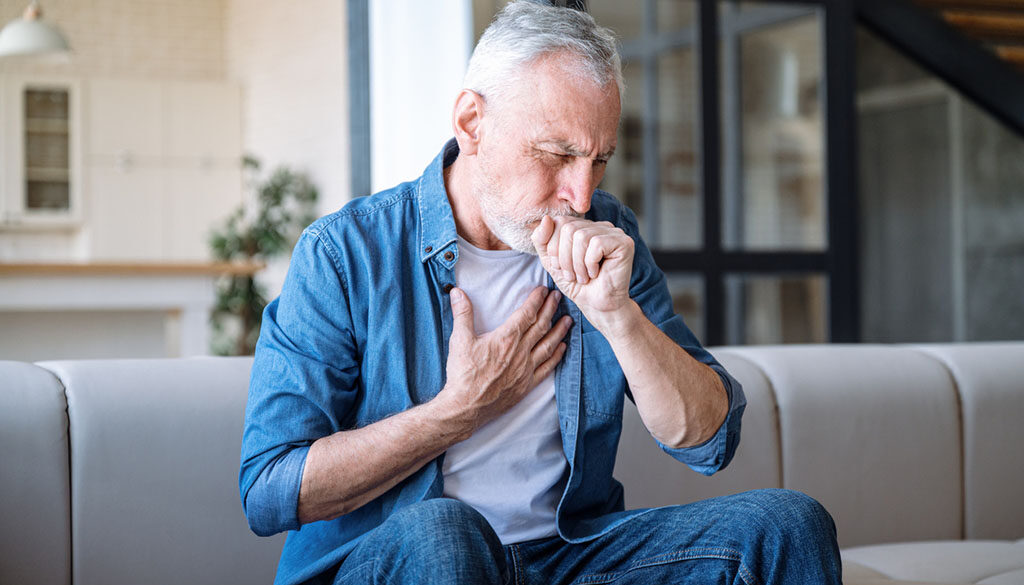
We Explain the Progression of COPD and Signs to Watch For
In this article:
If you’re at risk of developing chronic obstructive pulmonary disease (COPD), a common lung condition that makes it harder to breathe, it’s important to pay attention to early warning signs. Symptoms can develop gradually and be easy to overlook, which is why it’s essential to understand the progression of COPD. This awareness will help you recognize the signs sooner, so you can seek appropriate treatment and take steps to protect your lung health.
In this article, we’ll explore common causes of COPD, explain the four stages of the condition, and address ways to slow its progression.
If you’re at risk of developing COPD, timely diagnosis and care are essential to help prevent complications and support your lung health. At Raleigh Medical Group, our internal medicine physicians can identify the condition early and create a personalized treatment plan to help you manage symptoms and live the healthiest life possible. We invite you to contact us for an appointment.
How is COPD Diagnosed?
COPD is diagnosed using a non-invasive breathing test called spirometry to evaluate lung function. During this test, you blow into a machine that measures how much air you can exhale and how quickly you can exhale it.
Spirometry helps us determine whether airflow blockages are permanent and how severe the condition is.
To provide an accurate diagnosis, we may also review your medical history and, in some cases, use other diagnostic tools, such as:
- Chest X-rays or CT scans
- Blood oxygen testing
- Exercise testing
- A physical exam
Diagnosis of COPD is often delayed because symptoms develop gradually and can be easy to dismiss. Many people aren’t aware they have COPD until lung damage has already occurred.
This is why timely diagnosis and treatment are so important. Early intervention can help:
- Reduce symptoms
- Prevent complications
- Slow COPD progression
- Improve overall quality of life
What Are the Common Causes of COPD?
COPD develops when the lungs and airways become damaged, making it difficult for air to move in and out of the lungs. COPD includes emphysema and chronic bronchitis, conditions which impede normal airflow and hinder breathing.
The primary cause of COPD is cigarette smoking, though some people who have never smoked can also develop COPD.
Other risk factors that contribute to COPD include:
- Asthma
- Exposure to secondhand smoke
- Indoor and outdoor air pollution
- Long-term exposure to dust, chemical fumes or other workplace pollutants
- Indoor smoke from cooking or heating fuels
- Frequent respiratory infections during childhood
A less common cause of COPD is Alpha-1 Antitrypsin Deficiency, a rare inherited genetic disorder which raises the risk of early-onset emphysema and COPD, damaging the lungs at a younger age.
COPD can affect men and women differently.
- Women may have a higher risk for COPD due to their smaller lungs and narrower airways, which increases the potential for smoke or pollution damage.
- Research suggests that women may also develop the condition at a younger age than men.
Can COPD Be Prevented?
Though not all cases of COPD can be prevented, many cases are associated with risk factors that can be avoided.
The most effective prevention strategy for COPD is avoiding or quitting tobacco use. Smoking cessation can make a meaningful difference in preventing or slowing the progression of the disease.
Other prevention strategies include:
- Avoiding secondhand smoke
- Improving indoor air quality
- Limiting exposure to workplace dust, chemical irritants and fumes, gases or vapors
- Wearing protective equipment and following safety guidelines when workplace hazards can’t be avoided
- Staying up to date on vaccinations such as flu, pneumonia and others to prevent respiratory infections that can worsen damage
What Are the Stages of COPD?
COPD is a progressive condition that generally worsens over time. The disease is classified into four stages based on lung function as measured by spirometry testing.
Stage 1: Mild COPD
During the earliest stage of COPD, you may experience no noticeable symptoms or very mild symptoms.
Symptoms may include:
- Mild airflow limitation
- Occasional shortness of breath during exercise
- Infrequent cough or light mucus production
Stage 2: Moderate COPD
Symptoms become more noticeable and may include:
- Shortness of breath during exercise or routine activities like walking or household chores
- Increased coughing and mucus production
- Fatigue
Stage 3: Severe COPD
At this stage, symptoms become disruptive and may include:
- Significant breathing difficulties
- Frequent flare-ups
- Reduced stamina and ability to perform daily tasks
Stage 4: Very Severe COPD
At this stage, your quality of life may be substantially affected. Symptoms can occur even at rest and may include:
- Significant limitations in physical activity
- Heightened risk of serious complications and hospitalization
COPD stages may not align precisely with the severity of your symptoms. It’s vital to see your doctor regularly so they can monitor disease progression and manage your treatment.
Can the Progression of COPD Be Slowed Down?
Although COPD cannot be cured, treatment can help slow disease progression and improve your quality of life.
Early intervention is essential for delaying loss of lung function, preventing severe flare-ups and helping protect your long-term health before serious damage occurs.
Ways to slow COPD progression:
- Quit smoking. This is the most effective way to preserve lung function.
- Take appropriate medications. This includes bronchodilators and inhalers, which can help open airways and improve breathing.
- Participate in pulmonary rehabilitation programs. These programs combine exercise, breathing techniques, education and support to help you manage your symptoms and improve your quality of life.
- Stay physically active. Physical activity helps improve your endurance and lung efficiency.
- Stay up to date on vaccinations and get prompt treatment of respiratory illnesses. This helps prevent infections and reduces the risk of flare-ups.
- See your doctor regularly. Regular checkups are essential so we can carefully monitor your symptoms and adjust treatment as needed.
Ongoing medical care is especially important for those with COPD because the disease is associated with increased risk for heart disease, frequent respiratory infections, lung cancer, muscle weakness and other serious health conditions.
For Expert Care and Treatment of COPD, See Our Internal Medicine Physicians at Raleigh Medical Group
If you’re at risk of developing COPD, early diagnosis and treatment are essential to help slow disease progression, prevent complications and improve your overall quality of life.
At Raleigh Medical Group, we’ve helped thousands of Triangle residents manage conditions like COPD and other chronic diseases. We can identify COPD early and create a personalized treatment plan to help ease your symptoms so you can live the healthiest life possible.
We encourage you to contact us for an appointment today.
Key Takeaways
- Early symptoms of COPD often develop gradually and may be easy to overlook, making timely diagnosis and treatment essential for protecting long-term lung health.
- Spirometry is the primary test used to diagnose COPD and determine the severity of airflow limitation in the lungs.
- Smoking is the leading cause of COPD, but other risk factors include asthma, air pollution, workplace exposures and certain genetic conditions.
- Avoiding tobacco use, reducing exposure to lung irritants and staying current on vaccinations can help lower the risk of developing COPD.
- The progression of COPD is classified into four stages, ranging from mild symptoms to severe breathing difficulties that can significantly impact daily life.
- COPD symptoms and disease severity do not always progress at the same rate, making regular medical monitoring important.
- Although COPD cannot be cured, early intervention and appropriate treatment can help slow disease progression and improve quality of life.
- Quitting smoking is the most effective step for preserving lung function and reducing further damage from COPD.
- Pulmonary rehabilitation, physical activity, medications and preventive healthcare measures can help manage symptoms and reduce flare-ups.
- Raleigh Medical Group offers expert care and treatment of COPD and other chronic conditions; we encourage you to contact us for an appointment.
The content within this article and others on this website is only for educational purposes and should not be considered as medical advice. For any questions or concerns, please consult with your healthcare provider.
=====
Sources:
American Thoracic Society, “Chronic Obstructive Pulmonary Disease (COPD),”
Cleveland Clinic, “Chronic Obstructive Pulmonary Disease (COPD),”
https://my.clevelandclinic.org/health/diseases/8709-chronic-obstructive-pulmonary-disease-copd
World Health Organization, “Chronic obstructive pulmonary disease (COPD),”
https://www.who.int/news-room/fact-sheets/detail/chronic-obstructive-pulmonary-disease-(copd)